28 September 2025
Loading



Velmor Teknoloji
27 September 2025
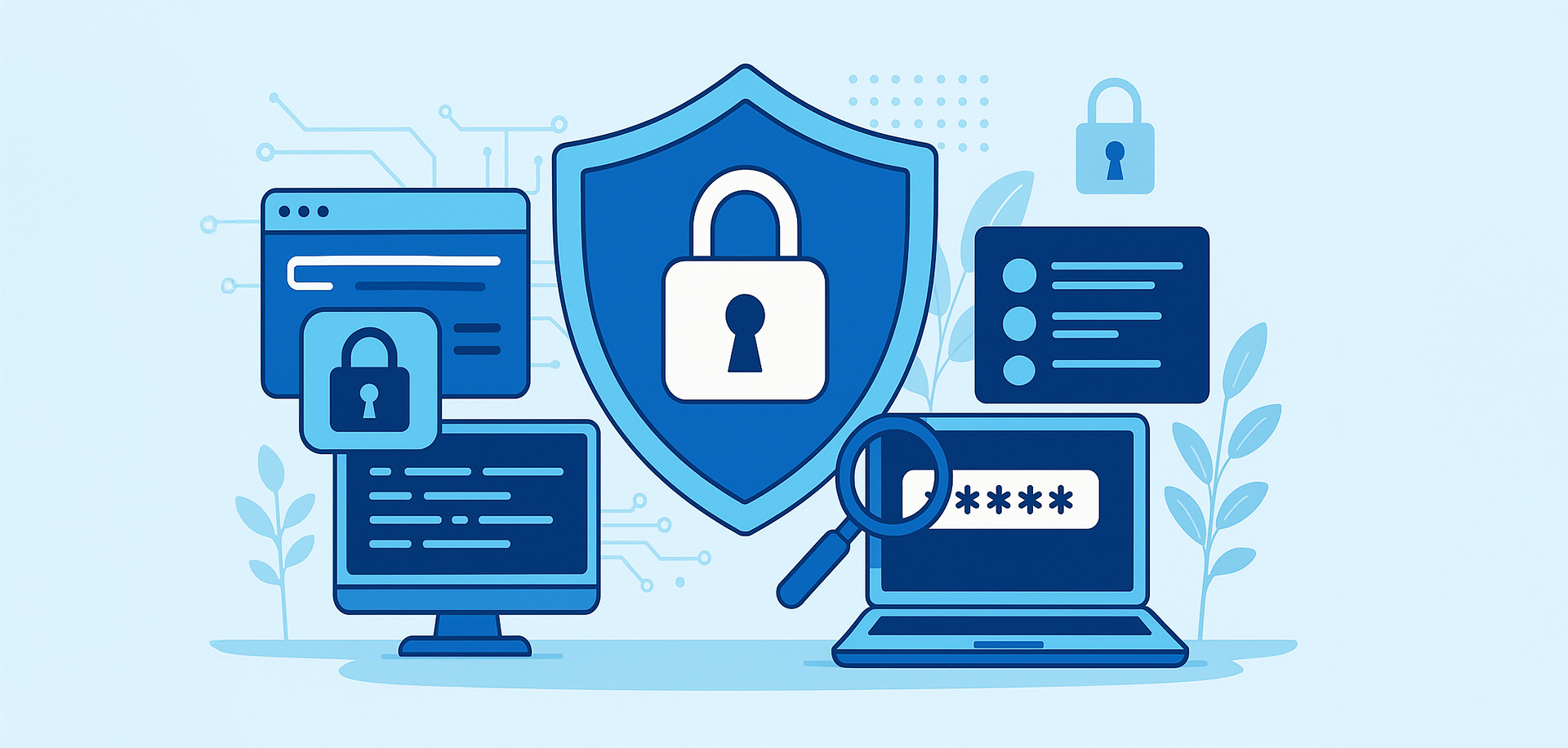
Cybersecurity has become not just a technical measure but a strategic necessity for the sustainability of the digital age. In a world where billions of devices connect every day and data traffic is rapidly increasing, ensuring the security of individuals and organizations is critical both economically and socially. From our smartphones to industrial control systems, from cloud services to government networks, defense against cyber threats at every layer is indispensable for the healthy functioning of the digital ecosystem.
Cyber threats are diversifying and becoming more complex. From simple malware to state-sponsored advanced persistent threats, attacks occur across a wide spectrum. This situation makes it mandatory for defense mechanisms to constantly evolve. Traditional measures like antivirus and firewalls are no longer sufficient; innovative solutions such as behavioral analysis, machine-learning-based threat detection, Zero Trust architectures and automated incident response systems are taking over. In this way organizations not only react to attacks but also predict and prevent threats before they occur.
Moving to a new topic:
At the individual level cybersecurity acts as a shield against risks ranging from identity theft to social engineering attacks. Using strong and unique passwords, enabling multi-factor authentication, avoiding suspicious links and regularly updating software are basic steps of protection. Making digital hygiene a way of life increases cyber resilience at the societal level. Training and awareness campaigns help users move from being the weakest link to becoming an active part of security.
At the organizational level cybersecurity is the responsibility not only of the IT department but of the entire organization. Everyone, from boards of directors to frontline employees, must embrace a security culture. Keeping policies and procedures up to date, conducting regular penetration tests, maintaining incident response plans and backup strategies help organizations minimize risk. In addition, supply chain security and third-party risk management are critical in an increasingly connected environment. A single vulnerability can affect an entire ecosystem.
Moving to a new topic:
For governments and international organizations cybersecurity is an integral part of national security. The digitalization of critical sectors such as energy grids, financial systems, health infrastructures, transportation networks and military communications increases the potential of a cyberattack in these areas to cause social and economic crises. This is why countries develop national strategies that cover both public institutions and the private sector, encourage cooperation and strengthen information sharing in the fight against cross-border threats.
As the diversity and complexity of threats increase, innovation on the defense side becomes inevitable. While attackers use technologies such as artificial intelligence, automation and deepfakes, defenders develop machine-learning-supported threat detection, behavioral analysis and predictive security solutions. This is a digital arms race and innovation advances rapidly on both attack and defense sides. Security teams seek advantage in this race by integrating threat intelligence and automated response mechanisms.
Moving to a new topic:
Legal and ethical frameworks are also integral to cybersecurity. Data protection laws, privacy rights and international norms are becoming increasingly important. Companies must ensure compliance not only technically but also legally. Regulations such as GDPR or local data protection laws strengthen customer trust and prevent potential sanctions. From an ethical standpoint the responsibility of security professionals is great; the knowledge and tools they possess can cause serious harm if misused.
The future of cybersecurity lies in proactive approaches. Identifying threats before they materialize, predicting attacks and automating incident response go beyond classic defensive thinking. Zero Trust architecture treats every access as a potential risk and reduces the attack surface. Quantum encryption, biometric authentication and blockchain-based security protocols may become the building blocks of future security architectures. These developments transform security from a cost center into a competitive advantage and a factor of trust.
Human resources also have great importance in this field. Training qualified professionals, conducting continuous education and certification programs are necessary to close the skills gap in the sector. The participation of women and experts from different disciplines brings diverse perspectives and innovative solutions. Cybersecurity is a team effort; collaboration between experts from engineering, psychology, law and business produces more comprehensive and effective strategies.
In conclusion cybersecurity is the indispensable line of defense of the digital age. Everyone — from individuals to companies, from states to international organizations — must be aware and take action in this area. Societies that make cybersecurity a strategic priority not only reduce their risks but also gain the ability to use the opportunities offered by the digital world safely. This is the key to building a secure, resilient and inclusive digital ecosystem. When every organization and individual begins to strengthen their digital shield today, a shared culture of security emerges and this culture benefits us all.