28 September 2025
Loading



Velmor Teknoloji
27 September 2025
The concept of Industry 5.0 was born as a vision that places human creativity and values at the center, building on the digitalization and automation brought by Industry 4.0. This vision treats Internet of Things (IoT) and automation technologies not only as productivity tools but also as frameworks for ethical and sustainable human machine collaboration. We are now talking about an ecosystem where not only machines and sensors are connected but also human intuition and experience are part of the network.
IoT removes the boundaries between the physical and digital worlds, offering real time data collection and management. In the Industry 5.0 approach, this data is analyzed not only for operational efficiency but also for criteria such as employee health, environmental impact and social benefit. Smart factories use sensor data not only to increase production speed but also to ensure worker safety, reduce energy consumption and minimize carbon footprint. In this way technology becomes not just a cost reduction element but also a tool of ethical responsibility.
Moving to a new topic:
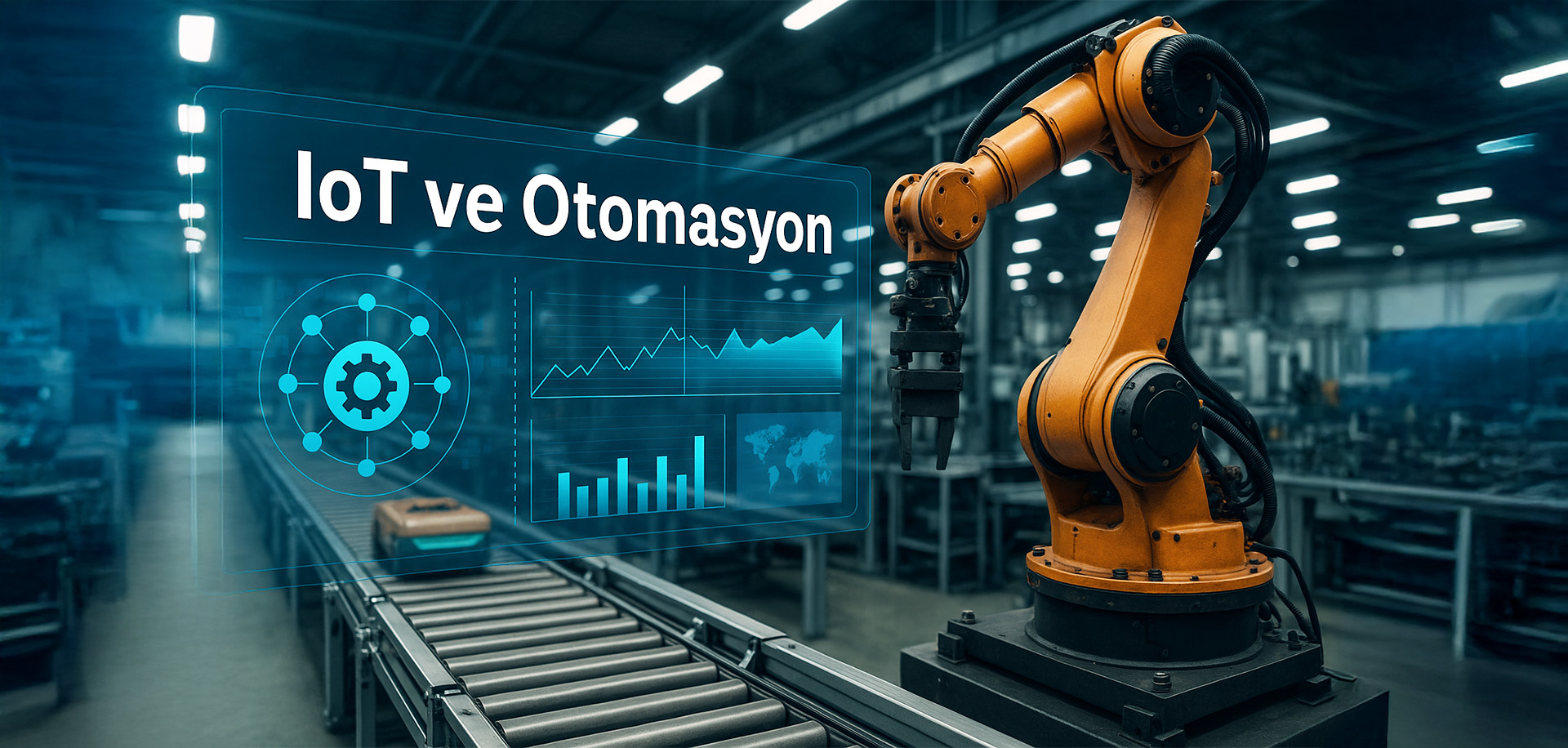
Automation also takes on a completely different meaning in Industry 5.0. In traditional automation the human role was secondary to machines, whereas in human centered automation machines are systems that support human decisions and free them from repetitive, heavy and risky tasks. This approach allows employees to unleash their creativity and problem solving skills and focus on more valuable and strategic work. Cobot systems, where robotic arms work safely side by side with humans, are the most tangible examples of this.
This new version of IoT and automation also requires more comprehensive standards on data privacy and security. In the Industry 5.0 environment sensors collect data not only from machines but also from people, making ethical data use, explicit consent and anonymization critical. This requires businesses not only to implement technology but also to develop a culture of transparency and accountability.
Moving to a new topic:
One of the greatest benefits of human centered IoT and automation is flexibility and resilience. In unexpected situations such as pandemics, natural disasters or global supply chain crises, these systems can be quickly reconfigured to ensure uninterrupted production or service delivery. This provides organizations with not only operational advantages but also strategic assurance.
Industry 5.0 also encourages collaboration between different disciplines. Engineers, designers, sociologists, psychologists and environmental scientists come together to develop solutions with both technical and social dimensions. In this way the technology development process becomes sensitive to social needs and aligned with ethical principles. This increases the trust of users and employees in technology.
Moving to a new topic:
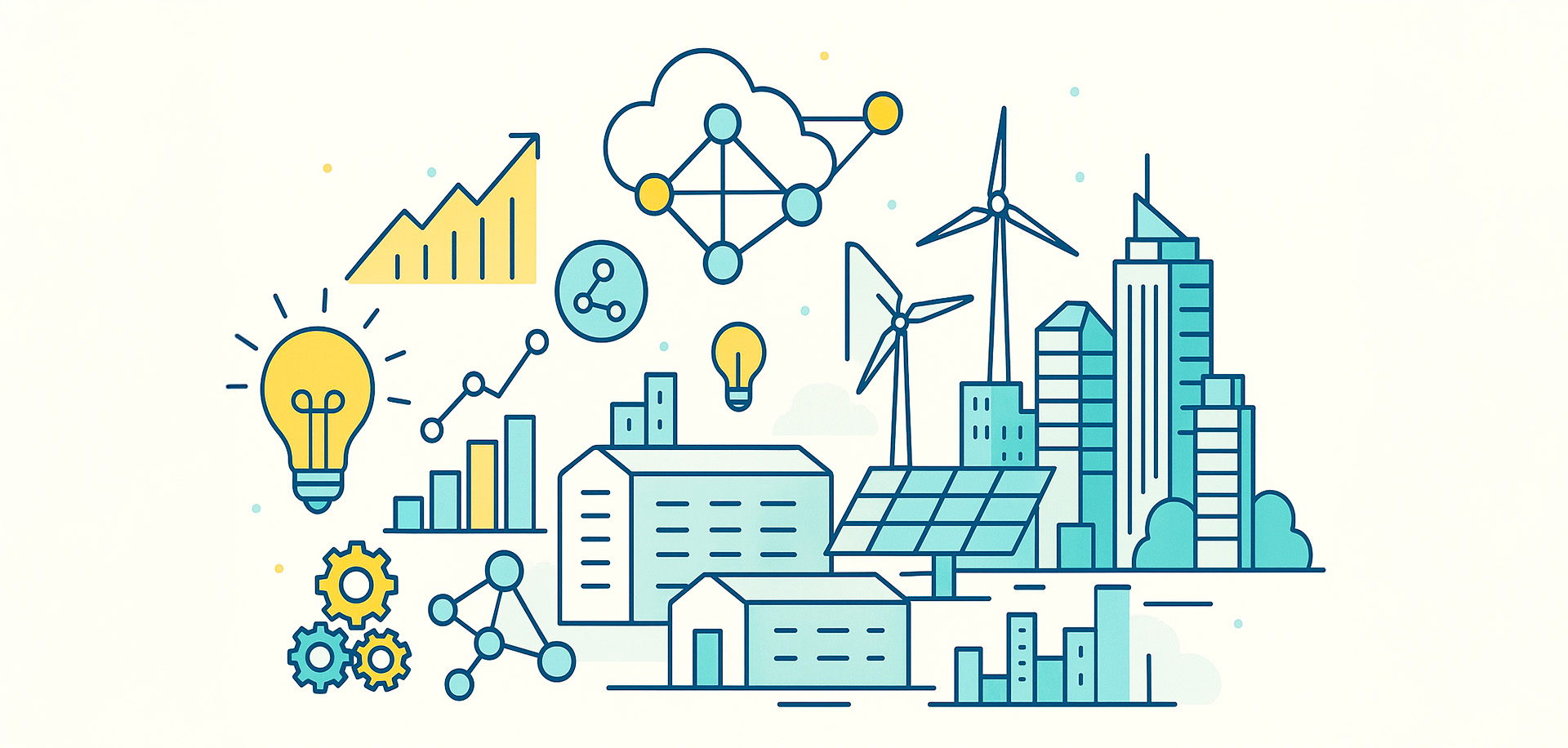
Sustainability also becomes an indispensable element of Industry 5.0. Integrating smart energy management, waste tracking and circular economy principles into IoT and automation systems helps reduce environmental impacts. Production lines powered by renewable energy sources and smart logistics solutions strengthen the environmental dimension of this approach. In the long term such practices go beyond cost savings and lead to brands gaining value in social responsibility and regulatory compliance.
IoT and automation systems developed within the framework of Industry 5.0 also bring about a workforce transformation. Training and reskilling programs make it easier for employees to adapt to new technologies. This helps prevent unemployment and increases the innovation capacity of companies.
In conclusion Industry 5.0 and human centered IoT and automation position technology not only as a tool but also as a fundamental component of an ethical, sustainable and inclusive future. When supported by the right strategies, transparent data use, investment in human resources and interdisciplinary collaboration, this approach has the potential to transform not only production and service processes but society as a whole. This journey requires vision, patience and continuous learning; but when properly implemented it redraws the boundaries of technology and innovation and opens the doors to a more equitable digital age.