28 September 2025
Loading



Velmor Teknoloji
27 September 2025
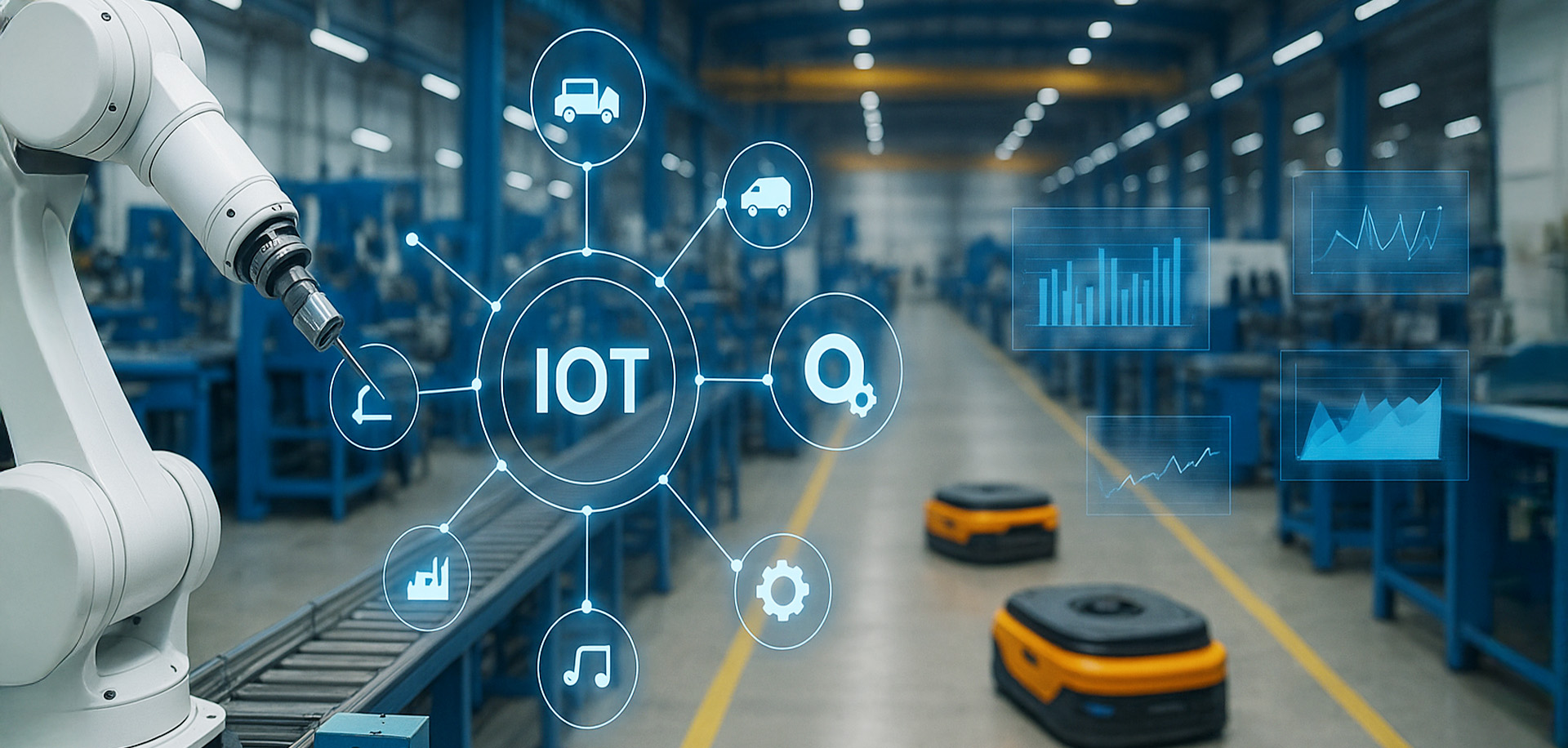
The Internet of Things (IoT) and automation are two of the most visible and effective elements of digital transformation. Today, devices, machines and systems communicate with each other, collect and analyze data and make decisions without human intervention. This transformation brings major change not only in industrial production but also in diverse fields such as healthcare, agriculture, logistics, energy, smart cities and home technologies. IoT and automation increase efficiency, reduce errors and optimize resource use, playing a critical role for a sustainable future.
The core strength of IoT lies in the ability of devices and sensors to connect to each other via the internet and share real-time data. This allows machines on a factory production line, trucks in a logistics center or irrigation systems on farmland to monitor their status in real time and take automatic action. For example, an energy company can use data collected from smart meters to forecast demand and adjust energy distribution accordingly. This both improves customer satisfaction and prevents resource waste.
Automation makes it possible to build systems that can run processes on their own by using the data collected by IoT. As one of the main components of Industry 4.0, automation accelerates and reduces errors in business processes through applications such as robotic arms in factories, software-based workflows, automated order management and machine-learning-based predictive maintenance. These systems support human labor and allow employees to focus on more creative and strategic work.
Moving to a new topic:
The combined use of IoT and automation, especially when powered by data analytics and artificial intelligence, is radically changing decision-making mechanisms. For instance, a healthcare organization can analyze data from connected medical devices to monitor patients’ conditions in real time and predict emergencies before they occur. In agriculture, soil moisture and weather data from sensors can be integrated into automated irrigation systems to increase yield and save water. These applications show that IoT and automation are not only cost-reducing but also life-saving and environmentally friendly solutions.
Security and data privacy are among the most critical issues of the IoT and automation ecosystem. Every new connection point creates a potential attack surface. Therefore, measures such as secure software development, strong authentication, data encryption and network monitoring are vital. In addition, compliance with regulations, protection of user data and adherence to ethical standards are essential for the sustainable development of these technologies.
From the perspective of workforce and talent management, transformation is inevitable. IoT and automation lead to the emergence of new professions and changes in existing skills. This requires continuous training of employees and increased competence in areas such as data analytics, cybersecurity, artificial intelligence and system integration. Human–machine collaboration increases productivity while allowing individuals to focus on more creative and strategic tasks.
On the economic front, IoT and automation increase companies’ competitiveness, improve efficiency and enable the emergence of new business models. Even small businesses can now offer services globally through cloud-based IoT platforms and ready-made automation solutions. These technologies also facilitate progress toward sustainable development goals, providing tangible contributions in areas such as energy savings, waste management and reduction of carbon emissions.
Moving to a new topic:
In the future, IoT and automation will be further strengthened by advances such as 5G connectivity, AI-powered analytics tools and quantum computing. Thanks to low-latency communication, real-time data transfer between devices will become possible, making many applications — from autonomous vehicles to smart grids — safer and more efficient. Blockchain-based identity management and data-sharing protocols will increase trust in IoT ecosystems.
In conclusion, IoT and automation are not only today’s engine of digital transformation but also the foundation of the smart and sustainable systems of the future. Companies and societies that adopt these technologies with a strategic vision gain competitive advantage while contributing to a more efficient, secure and environmentally friendly world. This journey requires vision, collaboration and continuous learning; but for those who move forward with the right strategies, it offers limitless opportunities.