28 September 2025
Loading



Velmor Teknoloji
29 September 2025
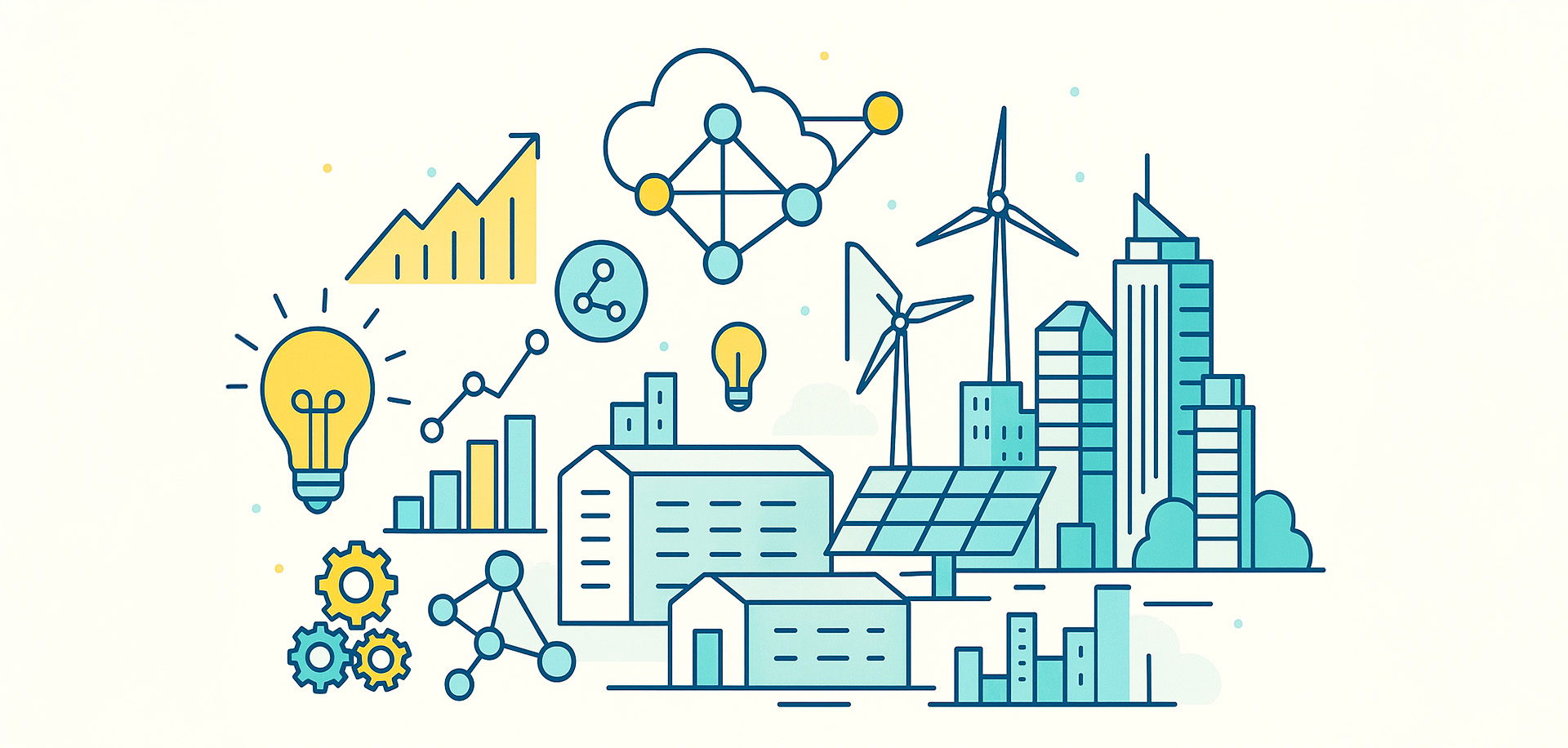
Data has become one of the most strategic resources of our time. With digitalization organizations collect and process data on a wide range of areas from user behavior to operational processes. Turning this data into meaningful insights has become the new fuel of innovation. Data driven innovation is not limited to improving existing products and services; it also enables the emergence of new business models, market strategies and customer experiences. This approach becomes even more important with the rise of smart ecosystems.
Smart ecosystems are dynamic structures consisting of interconnected platforms, devices and services. They manage data flow in real time accelerating value creation. Technologies such as the Internet of Things, artificial intelligence, cloud computing and 5G form the infrastructure of these ecosystems. Each component not only performs its own function but also shares data with others contributing to the overall intelligence of the system. This synergy provides users with personalized, seamless and high quality experiences.
Moving to a new topic:
At the heart of data driven innovation lie advanced analytics and artificial intelligence. Big data platforms, data lakes and machine learning algorithms offer organizations powerful tools such as predictive analytics, automated decision support systems and personalized recommendations. This allows companies to anticipate customer demand, optimize supply chains and discover new opportunity areas. This approach creates competitive advantage while also reducing risks.
Data governance and ethics are critical for the sustainability of this transformation. Without ensuring the quality, reliability and privacy of collected data, innovation cannot rest on solid foundations. Transparent data policies, user consent and compliance with international regulations strengthen customer trust and minimize reputational risk. In addition algorithmic fairness and explainability guarantee the ethical use of AI systems.
Moving to a new topic:
The rise of smart ecosystems depends not only on technology investments but also on collaborations and standards. The ability of actors from different sectors to share data on common platforms facilitates the emergence of innovative solutions. Open APIs, standard protocols and interoperability frameworks accelerate this process. In this way start ups and large companies can develop more inclusive and effective solutions by feeding on each other’s data.
In this new environment security and privacy are indispensable for the success of smart ecosystems. As data sharing between systems increases the surface for cyber attacks expands. Therefore strong encryption, authentication and continuous monitoring mechanisms are essential. In addition clear regulations on data ownership and responsibility contribute to maintaining trust between parties.
Moving to a new topic:
Culture and skills are also the cornerstones of data driven innovation. In house data literacy programs develop employees’ analytical thinking skills and enable active participation in innovation processes. Agile methodologies and design thinking approaches increase teams’ capacity for rapid prototyping and user centered solution development. This helps the organization internalize a data driven culture.
Public policies and incentives can accelerate the development of data driven innovation and smart ecosystems. Government open data initiatives, funds supporting start up ecosystems and regulatory flexibility facilitate the commercialization of innovative solutions. Collaborations between universities, research centers and the private sector strengthen the knowledge base of this transformation.
In conclusion data driven innovation and the rise of smart ecosystems are shaping the future of the digital economy. Supported by the right strategies, strong data governance, security measures and collaborations this approach provides organizations with sustainable competitive advantage while creating more valuable and personalized experiences for users. This model offers a vision of a more inclusive digital future turning technology and innovation into social benefit.