28 September 2025
Loading



Velmor Teknoloji
28 September 2025
Technology and innovation today no longer mean only technical advances and new product development; they are also being redefined by the rise of a human focused approach. Human centered design ensures that technological solutions are shaped according to real user needs, emotions and values, producing more sustainable and accepted outcomes for both businesses and society. This rise plays a critical role in the success of digital transformation processes.
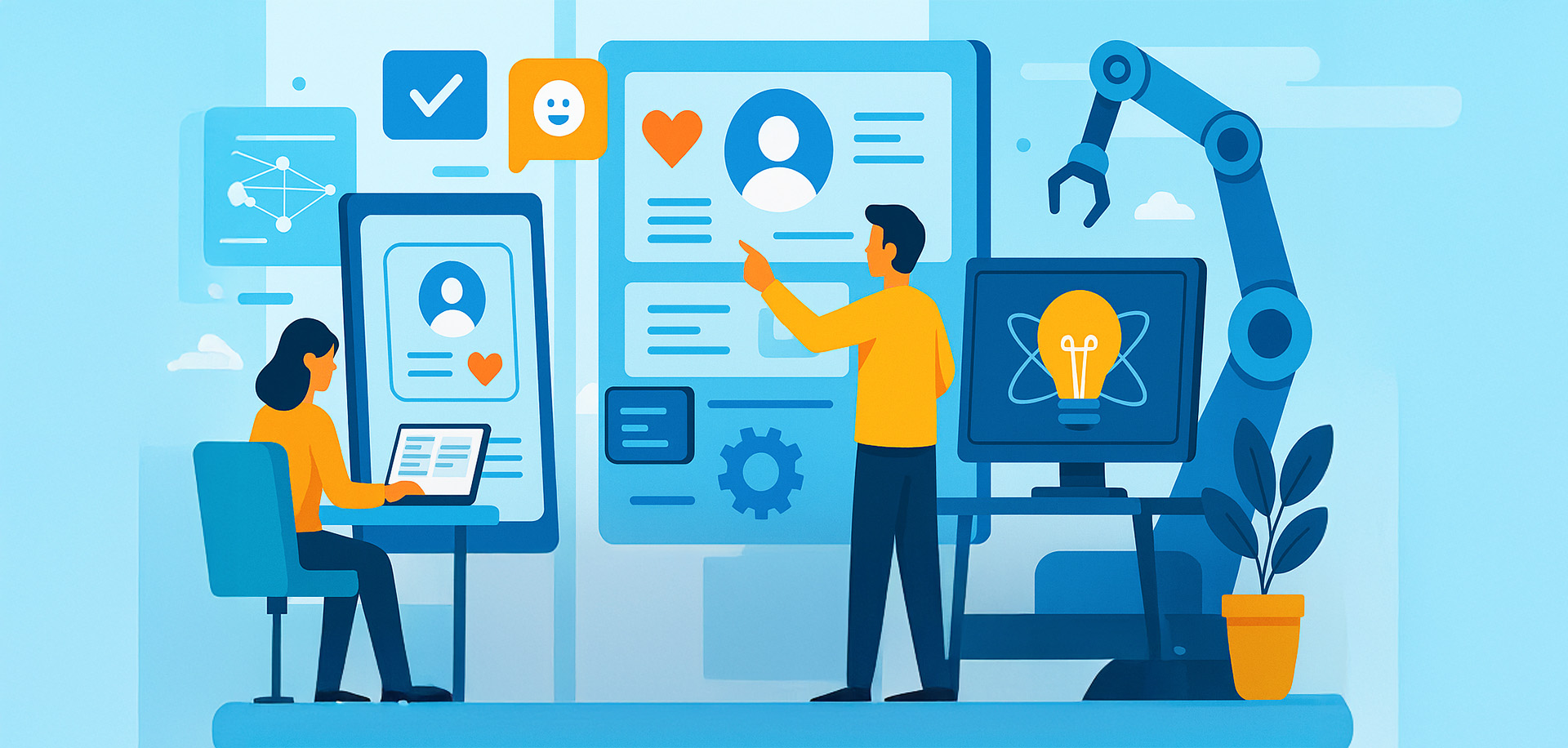
The foundation of human centered design is to shape design through empathy based research that understands the real needs and expectations of users. In classic engineering or business focused development models technical features and cost are often prioritized, whereas the human centered approach prioritizes the experiences and problems of users. This brings faster adoption of products, higher satisfaction levels and longer term customer loyalty.
Moving to a new topic:
The rise of human centered design in technology is particularly evident in the growing importance of user experience (UX) and user interface (UI) disciplines in digital products and services. Mobile applications, web platforms, wearables and even industrial systems are now designed in ways that users can easily learn, quickly adapt to and form emotional connections with. In this way technological innovations create a strong impact not only technically but also socially and psychologically.
Ethics and inclusivity have become integral parts of human centered design. Developing accessible designs for different age groups, cultural backgrounds and ability levels is important both for social equity and market expansion. In this context digital accessibility standards and universal design principles help companies bring their innovative products to a wider user base. At the same time issues such as preventing algorithmic bias and protecting data privacy are also at the heart of ethical design.
Moving to a new topic:
The human centered design approach also encourages interdisciplinary collaboration in innovation processes. Designers, engineers, sociologists, psychologists and business analysts work together to produce solutions that serve both business goals and user needs. This accelerates innovation cycles and shortens the time for products to adapt to the market. It also develops stronger communication and understanding among teams within companies.
At the corporate level the rise of human centered design requires companies to rethink their innovation strategies. It is no longer enough to invest only in technology; it is necessary to invest in user research, prototype testing, customer journey mapping and continuous feedback mechanisms. Although these investments may seem like an additional cost in the short term they provide a strong return in terms of product success, brand reputation and customer loyalty in the long term.
Moving to a new topic:
Human centered design also plays a critical role in high impact areas such as the public sector and smart city projects. When digital public services, transportation systems or health applications are designed according to the real needs of users citizen satisfaction and participation increase. This contributes to more effective implementation of policies and more efficient use of public resources.
Education and talent development are important levers for the widespread adoption of human centered design. Companies and universities organize training programs in design thinking, user experience and ethical technologies to ensure that new generations of professionals embrace this approach. In this way human centered design becomes not a trend but a permanent part of corporate and social culture.
Moving to a new topic:
The rise of human centered design in technology and innovation also strengthens the sustainability and inclusivity of digital transformation. Companies that develop solutions sensitive to user needs and based on ethical values not only gain a competitive advantage but also add value to society. This approach reinforces the trust of customers and citizens and accelerates the adoption of new products and services.
In conclusion the rise of human centered design in technology and innovation is not only a change of method but also the foundation of a more responsible, inclusive and sustainable innovation culture. When this culture is supported by the right strategies, interdisciplinary collaborations, ethical standards and continuous feedback mechanisms it enables both companies and society to gain the highest benefit from digital transformation. Thus technology becomes a force that works for people, creates value and shapes the future.