28 September 2025
Loading



Velmor Teknoloji
27 September 2025
Software technologies are undergoing a profound transformation not only in terms of tools and platforms but also in the way software is built and operated. Artificial intelligence, automation and cloud based solutions go beyond classical methods of software production, enabling the development of faster, safer and more innovative applications. This transformation deeply changes not only technical processes but also workforce structure, business models and the social impact of software.
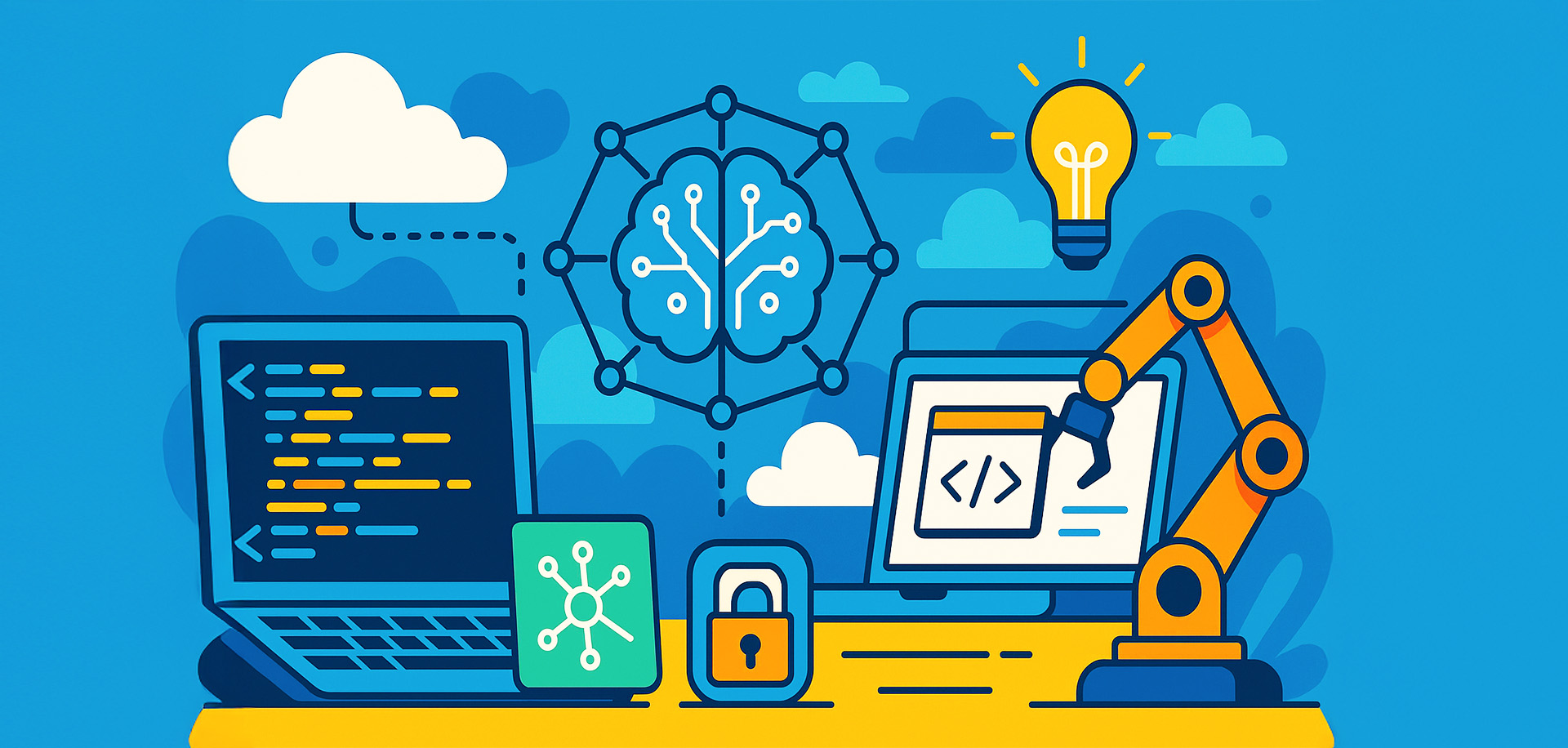
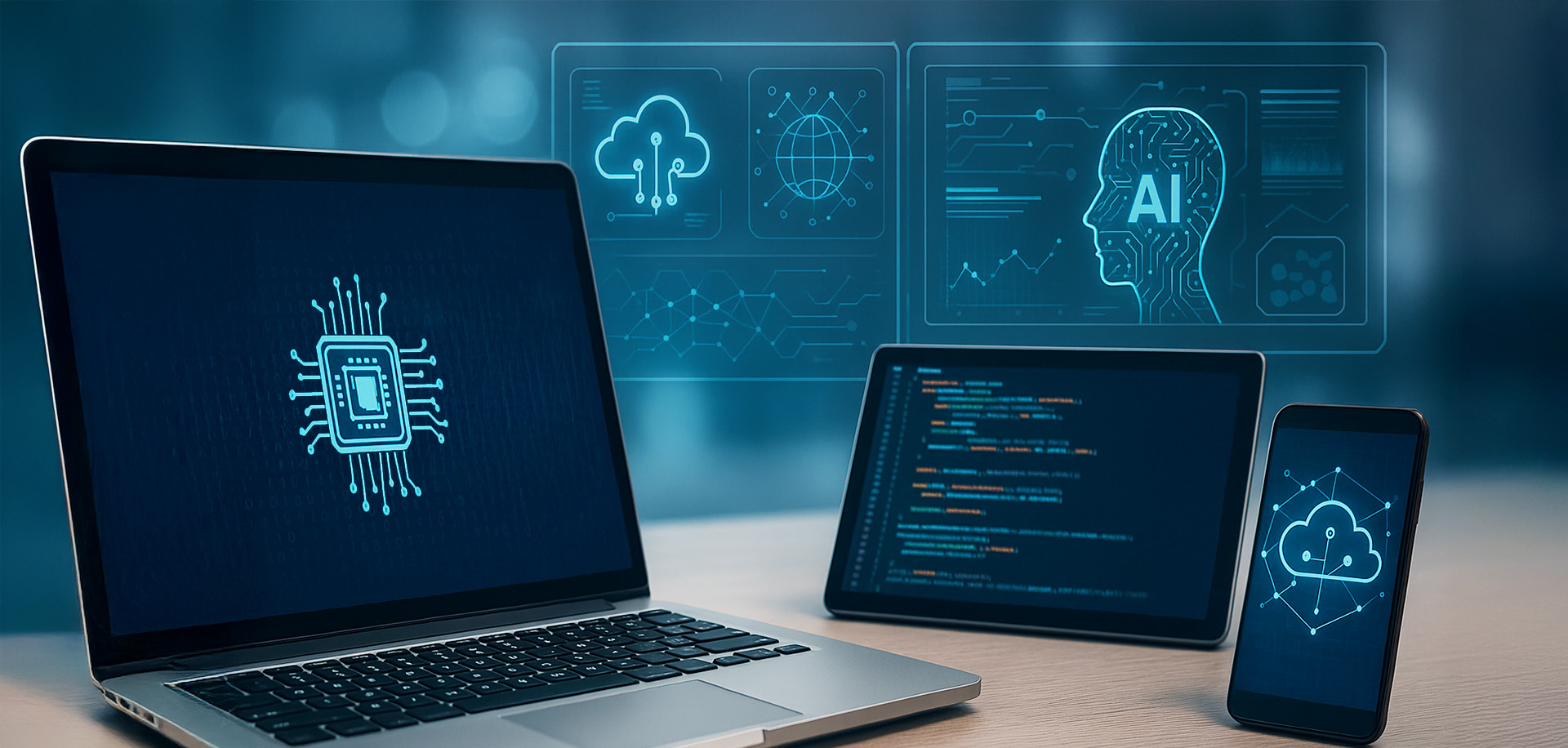
AI assisted software development sits at the center of this transformation. Developers now work with tools that generate code from natural language commands, analyze code quality, automatically detect errors and offer optimization suggestions. This reduces routine workloads, allows more time for complex problems and brings products to market much faster. Development environments integrated with large language models provide not only speed but also creative support to developers.
Moving to a new topic:
Low code and no code platforms democratize software development. Non technical users can now build applications that digitize business processes through visual interfaces. This accelerates in house innovation while reducing the burden on IT teams. Developers can focus on more critical and strategic projects, while business units can produce faster solutions for their own needs. This trend fundamentally transforms the traditional understanding of software development.
Cloud native and microservice architectures also shape the digital infrastructure of the future. Designing applications as small, independent and easily scalable components provides flexibility and resilience. Practices such as DevOps and GitOps accelerate the software development and deployment cycle, while automated testing and continuous integration processes ensure quality. In this way both small startups and large enterprises can deliver reliable services on a global scale.
Moving to a new topic:
Security is becoming an integral part of AI and automation assisted development processes. The DevSecOps approach integrates security from the beginning of the development cycle, ensuring that vulnerabilities are detected early. Automated vulnerability scans, code analysis and threat modeling tools increase software security. This is critical in areas requiring high sensitivity such as finance, healthcare and public services.
The human factor also plays an important role in these new software technologies. Developers need to gain new skills to collaborate with AI. Data literacy, ethical algorithm design, multidisciplinary collaboration and design thinking are among the essential competencies for future software teams. Training programs, certifications and a culture of continuous learning are the most important supporters of this transformation.
Moving to a new topic:
Ethical and legal frameworks guide this evolution of software technologies. Issues such as the licensing rights of code produced by AI assisted tools, algorithmic transparency and the accountability of automated decisions are at the top of the agenda of both developers and regulators. Unless open standards and transparent processes are developed in these areas, innovative solutions may have difficulty gaining social acceptance.
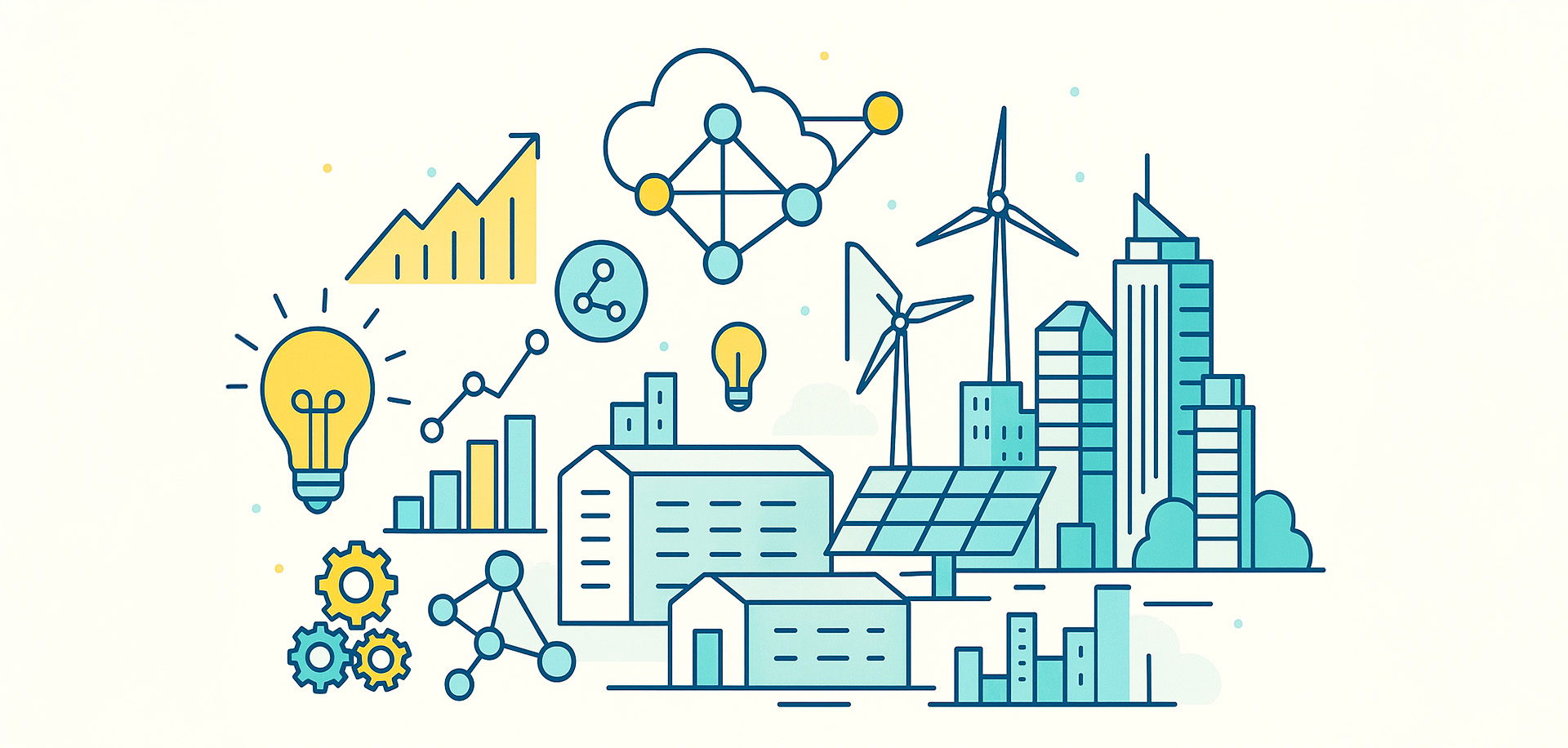
The sustainability dimension is also an integral part of this transformation. Energy efficient data centers, green coding practices and infrastructures that reduce the carbon footprint lower the environmental impact of software technologies. In this way software has the potential not only to improve the digital world but also to make the physical world more livable.
In conclusion AI assisted software development and new digital architectures are becoming a force that transforms industries and societies. When supported by the right strategy, education, security and ethical principles these technologies not only increase productivity but also help us build a safer, more inclusive and sustainable digital future. This journey requires vision, collaboration and continuous learning; but when the right steps are taken it offers boundless opportunities.