28 September 2025
Loading




Velmor Teknoloji
27 September 2025
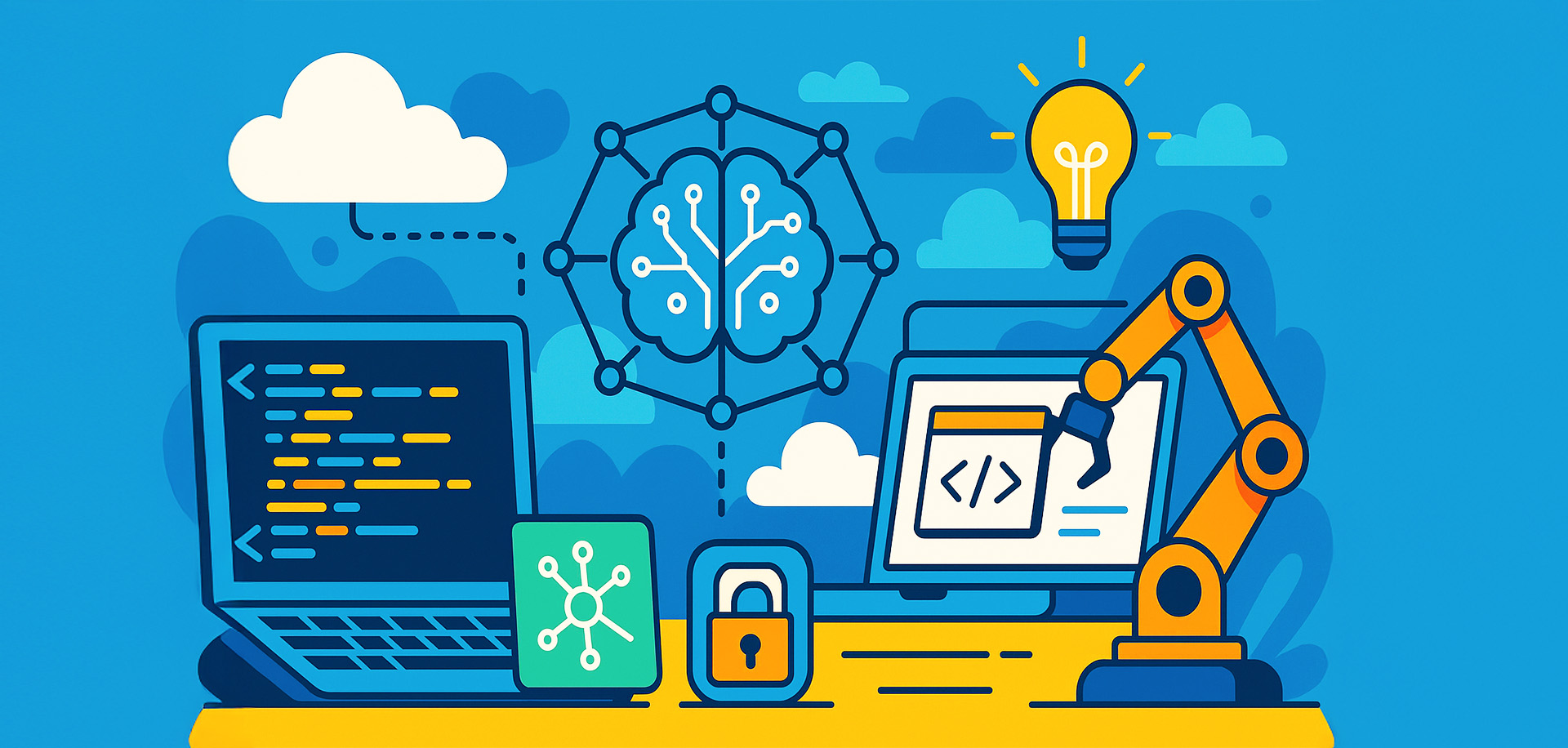
Software technologies are one of the invisible but most critical building blocks of the digital age. Covering a wide range from application development to cloud services, from data analytics to artificial intelligence, software solutions shape the lives of both individuals and organizations. Everything we use today — from smartphones to operating systems, from banking apps to logistics management platforms — operates thanks to the opportunities offered by software technologies. Without these technologies, it is hard to imagine the functioning of modern life.
The power of software technologies is not limited to accelerating and simplifying business processes. They also foster creativity, enable the emergence of new business models and strengthen global connectivity. For example, an e-commerce platform can exchange data with suppliers in different countries in real time to personalize the customer experience. Thanks to mobile applications, cloud infrastructure and API-based architectures, businesses can develop flexible and scalable solutions.
The evolution of software technologies is an innovation process that pushes the boundaries of hardware. The software world, once limited to desktop applications, has today transformed into a constantly developing ecosystem on the cloud with microservices architectures, container technologies and DevOps approaches. This transformation has made software development processes more agile, faster and more reliable. Now not only large technology companies but also small startups can develop software products that provide services on a global scale.
Moving to a new topic:
At the center of software technologies lies data. Big data analytics, machine learning and artificial intelligence applications make it possible for software to produce not only reactive but also predictive and adaptive solutions. For example, a finance application can analyze user behavior to detect fraud attempts in advance. Health software can process patient data to offer personalized treatment plans. In this way, software technologies enhance not only the business world but also the quality of life in society.
Security is an integral part of software technologies. Every new feature or service may bring potential vulnerabilities. Therefore, secure software development life cycle (SDLC), security testing and penetration testing are of critical importance. Open-source projects and community contributions make it possible to close security gaps more quickly and produce more resilient solutions. Especially in critical sectors such as public services, finance, energy and healthcare, software security is a necessity.
Another important dimension is the impact of software technologies on workforce and talent management. New skills and roles are emerging across a broad spectrum — from developers to product managers, from designers to data scientists. Companies should support their software teams not only in terms of technical skills but also in collaboration, communication and innovation capabilities. Agile methods and continuous integration and delivery (CI/CD) processes enable teams to develop products faster and with fewer errors.
The economic impact of software technologies is also significant. Digital products and services can scale faster and reach global markets more easily than physical goods. This accelerates countries’ transition to the digital economy and paves the way for new business areas. Entrepreneurial ecosystems become more dynamic thanks to software-driven innovations. Thus, software technologies are not only a tool but also an engine of economic growth.
Moving to a new topic:
The future of software technologies will be shaped by areas such as cloud-based services, AI-supported development tools and the Internet of Things. Serverless architectures and low-code/no-code platforms will democratize software development, enabling more people to produce technology. At the same time, emerging technologies such as quantum computing, augmented reality and blockchain will further expand the boundaries of software.
In conclusion, software technologies form the fundamental infrastructure of the digital world and are a force shaping the future of businesses and societies. Organizations that adopt these technologies with a strategic vision gain not only today’s competitive advantage but also the potential to build a sustainable and inclusive future. Companies and individuals of all sizes can increase both their success and social welfare as part of this transformation. This journey requires visionary leadership, strong partnerships, continuous learning and flexible organizational structures; but for those who follow the right strategies, it offers limitless opportunities.